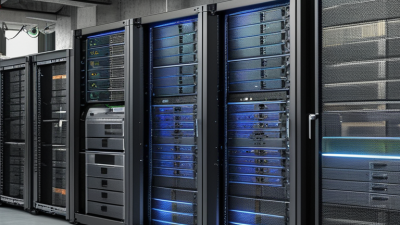
2026 Top Network Storage Rack Trends For Global Buyers?
As we look toward 2026, the landscape of network storage solutions is evolving rapidly. Global buyers are increasingly focused on the latest trends in Network Storage Rack technology. These racks are essential in managing large data volumes and enhancing storage efficiency.
The demand for more robust and flexible storage options is growing. Many companies are adopting innovative designs that cater to specific needs. While some racks focus on maximizing space, others prioritize energy efficiency. Buyers must consider their unique requirements when choosing a rack.
The journey to find the right Network Storage Rack can be overwhelming. With so many options available, key factors must be evaluated. Cost, durability, and scalability are critical elements to assess. Reflecting on past purchases can illuminate better choices for the future.
Emerging Technologies Influencing Network Storage Rack Design in 2026
The design of network storage racks is evolving rapidly. Emerging technologies are key to shaping these changes. For 2026, many companies are turning to server virtualization. This technique reduces space while enhancing efficiency. It simplifies management, but can also lead to unforeseen challenges. Administrators might find themselves overwhelmed by the complexity.
Another crucial factor is the rise of edge computing. This trend requires storage solutions that are compact and scalable. Network storage racks need to adapt to these demands by integrating more flexible systems. Yet, integration can be tricky. There is a risk of compatibility issues when merging old and new technologies.
Moreover, sustainability is becoming increasingly important. Eco-friendly materials are being sought after to reduce the environmental footprint. However, sourcing these materials can sometimes lead to higher costs. Companies face the dilemma of balancing sustainability with budget constraints. The path forward in 2026 will require careful consideration and innovative solutions.
2026 Top Network Storage Rack Trends
Key Features to Look for in Network Storage Racks for Global Markets
In 2026, global buyers must consider key features in network storage racks. Since data storage needs are constantly evolving, adaptability is crucial. Look for racks that can accommodate different sizes of equipment. This flexibility allows for future expansions without major investments.
Another important feature is airflow management. Efficient cooling is vital for maintaining device performance. Racks with integrated cooling solutions can prevent overheating. Check for designs that promote proper ventilation.
Heat dissipation should not be an afterthought.
In an ever-changing landscape, security features deserve attention. Ensure racks have options for physical locks and compliance with industry standards. These considerations, while often overlooked, can significantly impact the longevity of your storage solution. Reflecting on these needs can lead to more informed purchasing decisions in the crowded market.
Sustainability Trends in Material Selection for Storage Racks
The trend towards sustainability in material selection for storage racks is gaining momentum. Buyers are looking for solutions that not only meet their practical needs but also align with environmental values. Recycled materials and eco-friendly options are becoming popular choices for manufacturing storage racks. These choices can significantly reduce the carbon footprint of logistics and warehousing.
When selecting materials for storage racks, consider the lifecycle of the products. Focus on durability and reuse potential. Look for suppliers that prioritize sustainable practices. This way, you can ensure that you are making an informed choice.
Tips: Explore local suppliers to reduce transportation emissions. Peer reviews can also guide your decisions on material quality. Keep in mind, choosing the cheapest option might lead to higher costs in the long run. Prioritize reliability over low prices to avoid future disappointments.
Global Market Demand: Regional Variations in Network Storage Rack Preferences
The network storage rack market is undergoing significant transformation. Regional demands play a crucial role in shaping buyer preferences. According to recent data from the Global Data Storage Report, North America leads in advanced storage solutions, while Europe emphasizes energy efficiency. Asia Pacific is witnessing rapid growth, driven by increasing digitalization.
Preferences can vary significantly. For example, businesses in North America often prioritize scalability. In contrast, European users value durability and eco-friendliness. The Asia Pacific market shows a preference for cost-effective options. Understanding these regional variations can enhance purchasing strategies.
Tips: Consider local market reports when comparing storage solutions. These insights can guide your choices effectively. Additionally, review regional specifications to ensure compliance with local standards. A tailored approach based on geography often yields better results.
Predictions for Network Storage Rack Prices and Supply Chain Dynamics in 2026
As we approach 2026, the dynamics of network storage rack pricing and supply chains are shifting. According to industry reports, the global storage market is expected to grow by 8% annually. Factors driving this growth include the increasing data demands and the rise in cloud services. However, the supply chain remains fragile. Disruptions from geopolitical tensions and logistical challenges are causing fluctuations in prices.
Understanding these trends is crucial for buyers. The average price of a storage rack has seen a noticeable increase over the past year. Currently, the estimated price range is between $300 to $800 per unit. Experts estimate that prices may stabilize but could face upward pressure due to material costs and shipping issues. This unpredictability necessitates careful planning from organizations looking to invest in network storage solutions.
Tips for buyers: Assess your storage needs before purchasing. Consider bulk buying to benefit from potential discounts. Maintaining flexibility in supplier selection can also mitigate risks associated with supply chain disruptions. Remember, this market is evolving, and keeping informed will lead to better procurement decisions.