Best Laptop Servers for Global Buyers in 2026?
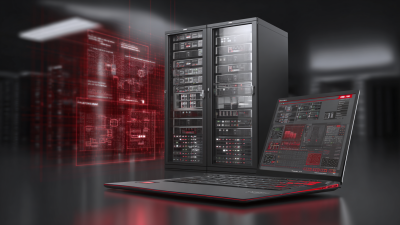
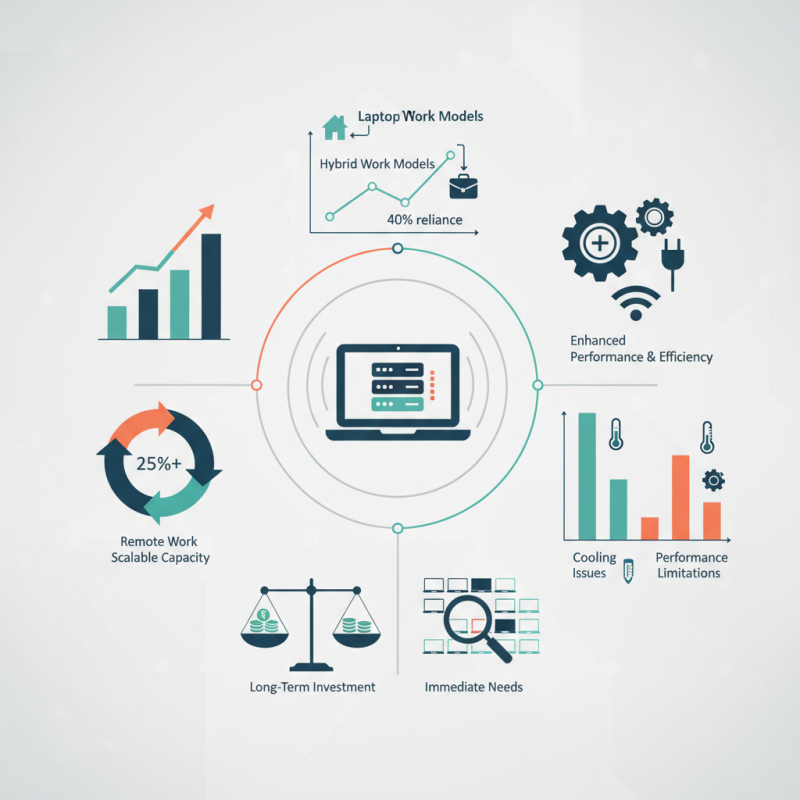
In the rapidly evolving tech landscape of 2026, the demand for efficient and compact computing solutions is surging. According to recent data from the International Data Corporation (IDC), the global market for Laptop Servers is expected to grow by over 25% in the next two years. This shift is driven by the increasing need for remote work solutions and scalable server capacities. Businesses today require powerful, yet portable options to meet diverse operational needs.
Laptop Servers combine the benefits of traditional servers with the portability of laptops. Users can expect enhanced performance, energy efficiency, and versatile connectivity. Research from Gartner emphasizes that nearly 40% of enterprises anticipate increased reliance on Laptop Servers to support hybrid work models. However, not every model stands up to scrutiny. Performance limitations and cooling issues are areas that need improvement.
Buying decisions must prioritize reliability and compatibility. Additionally, businesses should be cautious about the total cost of ownership. Understanding long-term investment versus immediate needs is crucial. In a crowded market, discerning the best options requires careful evaluation and a critical approach. As organizations look to invest in Laptop Servers, the choice will significantly impact their operational efficiency and scalability.
Best Laptop Servers Overview: Key Features and Benefits
When choosing laptop servers, it's crucial to evaluate key features and benefits that cater to a global audience. A reliable laptop server should offer robust performance, accommodating diverse workloads. Users often prefer lightweight models that still maintain powerful processors. Portability is essential for professionals, especially when traveling. Sleek designs often appeal to those balancing aesthetics with functionality.
Scalability is another important aspect. The ability to upgrade components, such as storage and memory, enhances the server's longevity. Users might find that some models lack expandability, limiting their effectiveness over time. Battery life also plays a vital role; a server that drains quickly can disrupt productivity, particularly in remote settings.
Security features within laptop servers are non-negotiable. Encryption capabilities and secure boot processes protect sensitive data. However, not all models excel in this area. Some may require additional software to reach adequate security levels. It's vital for users to research and compare options rigorously, as the right server can make all the difference in various professional scenarios.
Market Trends: Growing Demand for Laptop Servers in 2026
The rise of laptop servers is reshaping the global tech landscape. In 2026, businesses demand more portable, efficient solutions. This growing need springs from remote work trends and cloud computing reliance. Companies require robust systems that can handle extensive data processing while remaining user-friendly.
Many industries, including finance and healthcare, seek scalable options. IT professionals face challenges in managing hardware resources effectively. Adaptability and performance are vital. Some may find traditional servers cumbersome and outdated. The shift towards laptop servers offers innovative alternatives, though it is not without pitfalls. The balance between power and portability requires careful consideration.
While convenience is essential, potential drawbacks exist. Security issues may arise, and reliability can vary. Organizations must assess their specific needs before transitioning. As global buyers look for the best solutions, a thorough understanding of market trends will become increasingly important. Laptop servers are here, but navigating their complexities is key.
Top Laptop Server Brands to Consider for Global Buyers
When it comes to choosing laptop servers for global buyers in 2026, several brands stand out. The right choice often depends on specific needs. For many, portability is crucial. According to recent industry reports, 65% of tech professionals prioritize lightweight options over traditional servers. This shift is a result of remote work trends and the demand for flexibility.
Stability remains vital. A survey indicated that 70% of users experience server issues primarily due to inadequate thermal management. Therefore, effective cooling systems are essential. Buyers are increasingly examining durability metrics. Research shows that ruggedized laptops have a 35% longer lifespan than standard models. This is particularly valuable for users in diverse environments.
Moreover, security features are becoming non-negotiable. Data breaches can cost companies millions. Reports suggest that nearly 60% of businesses faced security vulnerabilities in the last year. Therefore, investing in brands with robust encryption methods can save stakeholders from significant losses. Buyers should approach their selections critically, considering long-term implications over initial costs. The evolving landscape requires constant reassessment and reflection on the best choices available.
Performance Comparison: Laptop Servers vs. Traditional Servers
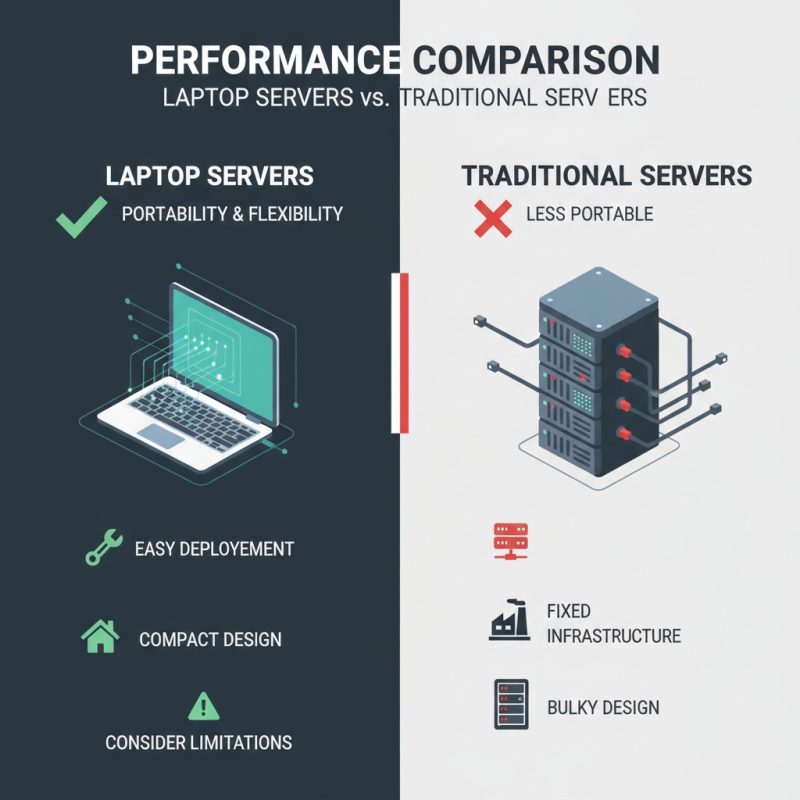
Laptop servers have garnered attention for their unique benefits compared to traditional servers. The portability of laptop servers allows for easier deployment in various settings. This flexibility is crucial in dynamic environments requiring immediate processing power. Users appreciate the compact design, making setup in small spaces more feasible. However, one must consider limitations.
Performance varies notably between these server types. Traditional servers often outshine in raw power and scalability. Their design focuses on high-performance tasks and extensive workloads. Conversely, laptop servers may struggle under high demand. The cooling systems in laptops are less efficient, affecting long-term performance. Users should reflect on their needs before choosing one over the other.
Cost efficiency often tilts in favor of laptop servers, especially for low to moderate workloads. Businesses on a budget find them attractive. Yet, the trade-off might be the long-term sustainability required by larger enterprises. Decision-makers must carefully weigh factors like performance, flexibility, and cost. This evaluation will guide them to the best choice for their specific scenarios.
Choosing the Right Laptop Server: A Buyer’s Guide for 2026
When selecting a laptop server in 2026, several key elements come into focus. Performance is crucial. Look for processors that can handle multiple tasks with efficiency. Memory size is another vital factor. More RAM translates to better multitasking capabilities. Storage options should not be overlooked. Solid-state drives (SSDs) are often more reliable and faster than traditional hard drives.
Portability is also essential. A lightweight design can facilitate easier transportation. Pay attention to battery life; ideally, it should last a full workday. Connectivity options matter too. Ensure the laptop server offers multiple ports for various devices. While these specifications may seem straightforward, many buyers still overlook them, opting instead for aesthetics over functionality.
Consider your specific needs. Are you using it for gaming, programming, or media streaming? Each use case demands different specifications. It's easy to get lost in marketing claims. Always research firsthand user experiences. Trusting online reviews can be misleading; they may not always represent your priorities. Balancing needs versus budget is a challenge. Spending less often leads to regret, while overspending may strain finances. Aim for a realistic evaluation of what will work best for you.
Best Laptop Servers for Global Buyers in 2026
| Model |
CPU |
RAM |
Storage |
Operating System |
Price Range |
| Model A |
Intel i7-12700H |
16 GB |
512 GB SSD |
Windows 11 |
$1200 - $1500 |
| Model B |
AMD Ryzen 7 5800H |
32 GB |
1 TB SSD |
Linux |
$1300 - $1600 |
| Model C |
Intel i9-12900H |
64 GB |
2 TB SSD |
Windows 11 |
$2000 - $2500 |
| Model D |
AMD Ryzen 9 6900HX |
32 GB |
1 TB NVMe |
Windows 11 |
$1500 - $1800 |
| Model E |
Intel i5-12500H |
16 GB |
256 GB SSD |
Linux |
$800 - $1000 |