What is a Data Center Server and How Does it Work?
In today's digital landscape, understanding the functionality of a Data Center Server is crucial. This technology is the backbone of countless online services. According to Gartner, the global data center market is expected to reach $100 billion by 2025, highlighting its growing importance.
Dr. Jane Smith, an expert in data center management, emphasizes, "A well-structured data center server ensures efficiency and reliability." As companies increasingly depend on cloud services, the demand for efficient data center servers skyrockets. However, many businesses struggle with utilizing these servers effectively, leading to potential inefficiencies.
Despite the advancements, some organizations face challenges in optimizing their server usage. A recent report by IDC noted that nearly 30% of companies lack proper visibility into their data center operations. This gap presents an opportunity for growth and improvement in server management. By understanding how data center servers work, businesses can maximize their potential and improve service delivery.
What is a Data Center Server?
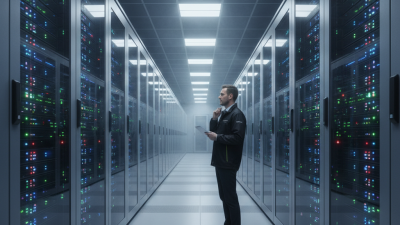
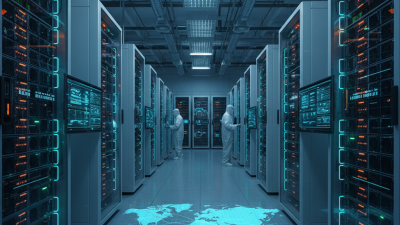
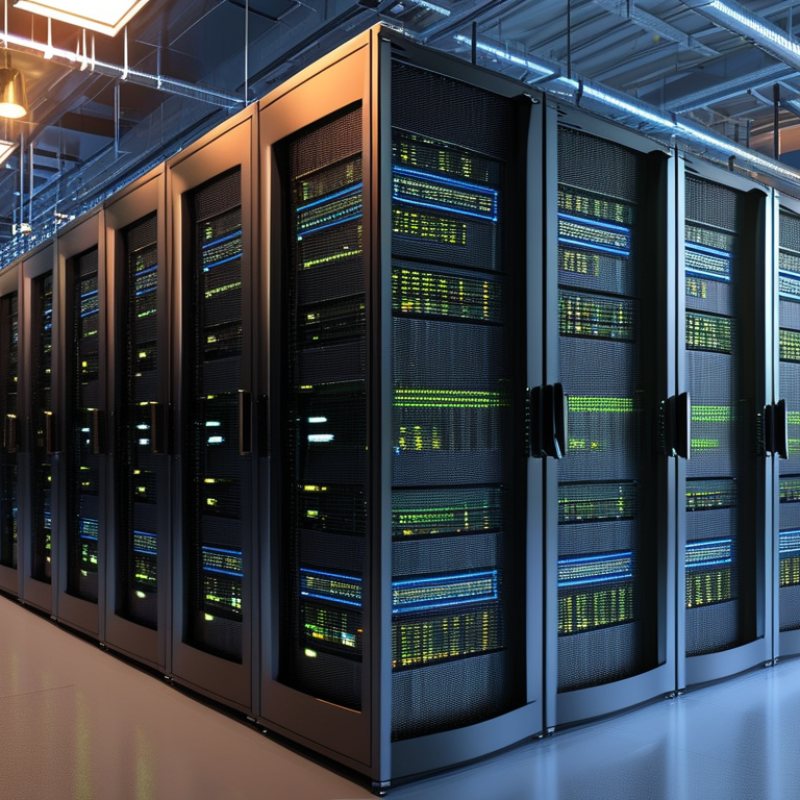
A data center server is a powerful computing device designed to process, store, and manage data efficiently. These servers play a critical role in the global digital infrastructure, powering various applications from websites to cloud services. They are housed in secure facilities known as data centers, which are built to ensure optimal performance and high availability.
Inside a data center, servers are clustered together, creating a network that facilitates resource sharing. This setup allows organizations to manage data loads effectively. Each server typically contains multiple processors, large memory capacities, and significant storage space. The interconnectivity of these servers enhances speed and redundancy, ensuring better uptime.
However, there are challenges. As technology evolves, the demand for more powerful servers increases. This leads to higher energy consumption and cooling needs. Many organizations face difficulties keeping up with rapid advancements. Balancing performance and sustainability is a constant struggle. Data center operators must continually assess their infrastructure. They need to adapt to new technologies while maintaining operational efficiency.
Key Components of a Data Center Server
Data center servers are robust systems designed for storing and processing large amounts of data. At the heart of these servers are key components that ensure optimal performance and reliability. The most critical part is the central processing unit (CPU), which executes instructions and performs calculations. A powerful CPU can significantly improve the overall efficiency of a data center.
Memory, or RAM, is another essential component. It allows the server to process data quickly, enabling faster retrieval and execution of tasks. Insufficient memory can lead to slowdowns, highlighting the importance of having adequate RAM for peak performance. Storage solutions, such as hard disk drives (HDDs) and solid-state drives (SSDs), provide the necessary space where data is stored. SSDs are faster, but they can be costly compared to traditional HDDs.
Networking equipment is crucial for connectivity. This includes switches and routers that manage data traffic effectively. Poorly configured network settings can result in bottlenecks, affecting speed and reliability. Cooling systems also play a vital role in maintaining optimal server temperature. Overheating can cause hardware failures, leading to downtime. Each component works together to create a seamless and efficient environment, making the understanding of these elements essential for anyone managing a data center.
How Data Center Servers Process and Store Data
Data center servers are critical for processing and storing vast amounts of data. These servers operate in large facilities called data centers. They execute tasks swiftly due to powerful hardware. Information flows through networks at lightning speed. The servers manage data using advanced algorithms and software.
They can scale up or down based on demand, ensuring efficiency. Data is stored across multiple servers, enhancing security and redundancy. This setup minimizes downtime and enhances data accessibility. Servers handle everything from running applications to managing cloud services. It's essential to optimize server configurations for specific tasks.
Tip: Regular maintenance improves server performance. This keeps systems running smoothly and extends hardware life.
Data centers require cooling systems to manage heat. Servers generate significant heat, which can affect performance. Effective cooling must be a priority. Older systems may need reevaluation. Upgrading to more efficient models could save costs in the long run.
Tip: Monitor your energy consumption. It can highlight areas for improvement and promote energy efficiency.
These servers are the backbone of modern technology. However, relying solely on advanced tech can lead to neglect of basic management. Balancing innovation with foundational practices is crucial.
The Role of Networking in Data Center Servers
Networking is a vital component in data center servers. It serves as the backbone, connecting various hardware and systems. The efficiency of a data center relies heavily on how well these connections are managed. Proper networking ensures that data flows seamlessly between servers, storage systems, and external networks. It is essential to minimize latency and maximize throughput.
Implementing robust networking protocols can be challenging. Choices include Ethernet, fiber optics, and more. Each type has its benefits and drawbacks. For example, while fiber optics offer high speeds, they can be costly and complex to deploy. Sometimes, planners overlook these challenges, leading to bottlenecks. Efficient network architecture also requires continuous monitoring and adjustments. These steps are critical to maintaining the reliability of data transfers.
Yet, achieving optimal networking is not just about technology. It also requires skilled personnel to manage and troubleshoot issues. Even minor misconfigurations can result in major disruptions. Continuous training and staying updated on networking trends can be valuable. Nonetheless, many data centers still find it hard to keep up with rapid changes in technology. This can affect overall performance and reliability.
Common Use Cases for Data Center Servers
Data center servers play a crucial role in many industries today. They host applications, manage databases, and provide storage solutions. According to a report by MarketsandMarkets, the global data center server market is expected to grow from $34.8 billion in 2022 to over $50 billion by 2026. This is a clear indicator of their increasing relevance.
One common use case is cloud computing.
Companies leverage data center servers to store and process vast amounts of data remotely. This allows for better scalability and accessibility. In fact, the International Data Corporation (IDC) found that 70% of organizations are reliant on public cloud services. This suggests a significant shift in how businesses operate.
Another use case is big data analytics.
Data centers facilitate the processing of large datasets, enabling businesses to derive insights from them. The need for efficient data analysis is evident, as Forbes reported that over 60% of organizations struggle with data overload. Inefficiencies in data handling can hinder decision-making processes, necessitating better server solutions.