Top Data Center Server Trends to Watch in 2026?
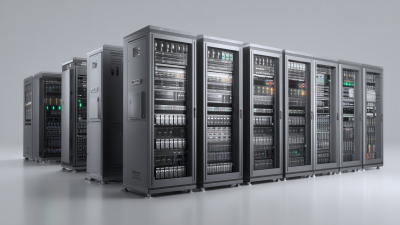
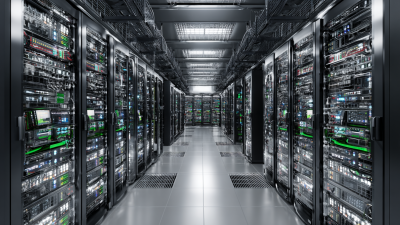
As we approach 2026, the landscape of Data Center Server technology continues to evolve rapidly. New trends are reshaping how data centers operate and serve businesses. The demand for efficiency and scalability is driving innovation in this field. Companies must adapt to stay competitive.
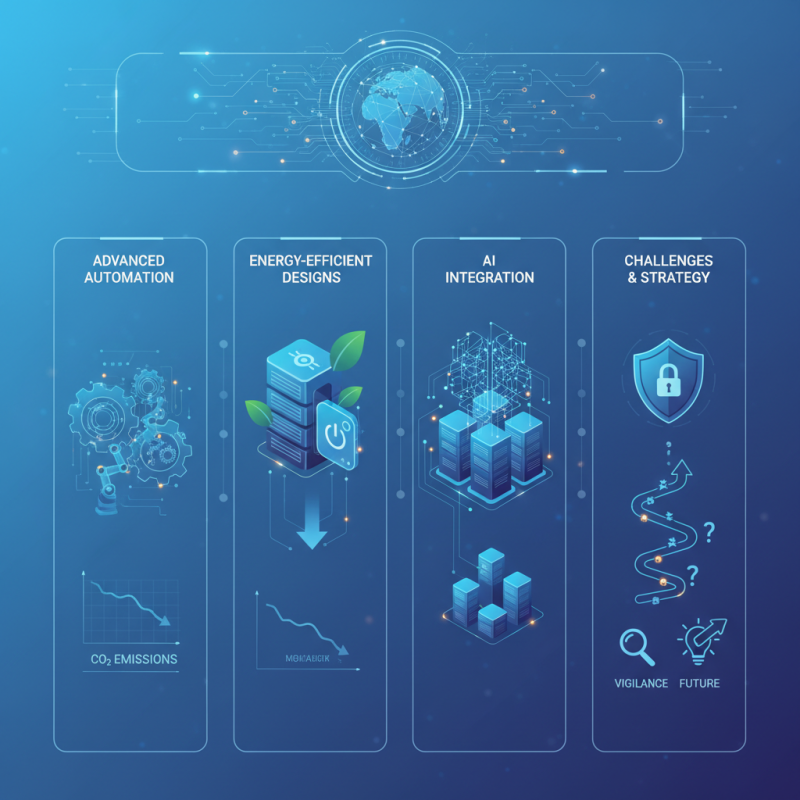
In the coming years, expect to see advanced automation within Data Center Servers. This shift aims to reduce human error and enhance performance. Additionally, energy-efficient designs will become crucial. Data centers are often significant energy consumers. Addressing this issue is essential, both for cost and environmental reasons.
However, not all trends will be seamless or without challenges. For instance, the rapid integration of AI may outpace some infrastructures. Staying ahead while ensuring security and stability will be tough. Companies must remain vigilant and open to change as they navigate this complex environment. The future holds promise, but it also necessitates careful reflection and strategic planning.
Emergence of AI-Driven Data Center Management Solutions in 2026
In 2026, the rise of AI-driven data center management solutions will transform the industry. According to recent reports, nearly 75% of data centers will adopt artificial intelligence technologies for operational efficiency. This shift will enable better resource management and monitoring. AI systems can predict failures and optimize energy consumption. Energy costs account for up to 30% of data center operational expenses. Reducing these costs will enhance sustainability.
However, implementing AI is not without challenges. Many data centers struggle with integrating existing systems with new AI solutions. Moreover, there are concerns about data privacy and security. In a recent survey, 65% of IT professionals expressed apprehension regarding AI's impact on sensitive data.
Training staff to work with these new technologies poses another barrier. Without proper education, the transition could lead to inefficiencies.
Despite these hurdles, the potential benefits are significant. AI can enhance performance and reduce downtime. A report indicated that companies using AI in data management see a 40% decrease in outage incidents. As the industry moves forward, evaluating the role of AI will be crucial for continued growth and resilience in data centers.
Increased Demand for Edge Computing in Data Center Architecture
The landscape of data center architecture is rapidly evolving. One notable trend is the increased demand for edge computing. Edge computing allows data to be processed closer to its source. This reduces latency and improves overall performance. Companies are investing heavily in this technology.
Edge computing enhances data center efficiency. It minimizes bandwidth use by processing data locally. Businesses can respond faster to customer needs. However, managing edge locations can be complex. Overlooking security at edge sites poses risks.
Tips: Ensure robust security measures at each edge location. Regularly audit data flows to identify vulnerabilities. Train staff on edge computing protocols. Create a plan for potential failures to minimize downtime. By integrating these practices, organizations can capitalize on the edge computing trend effectively.
Enhanced Security Protocols Addressing Cyber Threats in 2026
As cyber threats evolve, so must our defense mechanisms. In 2026, enhanced security protocols will be at the forefront of data center strategies. Recent reports indicate that 80% of organizations will prioritize cybersecurity investments. These enhancements will encompass advanced encryption techniques, artificial intelligence, and more robust access controls. Data breaches can lead to severe financial losses, averaging over $4 million per incident.
A vital tip: regularly update your security protocols. Cyber attackers are quick to exploit outdated systems. Implementing zero-trust architectures is critical. By ensuring that every request for access is verified, organizations can significantly reduce their vulnerability.
Moreover, continuous employee training on cybersecurity awareness will become essential. Studies show that human error accounts for 90% of data breaches. Organizations must create a culture of vigilance among their teams. Simple training sessions can lead to better practices and more secure environments. Remember, a proactive approach is always better than a reactive one.
Advancements in Cooling Technologies for Efficient Data Center Operations
As data centers evolve, cooling technologies are becoming critical for efficient operations. A recent report highlighted that energy consumption in data centers is expected to rise by 30% by 2026. This increase will put pressure on existing cooling systems. Innovative cooling methods, such as liquid cooling, are gaining traction. These systems can reduce energy usage by up to 40% compared to traditional air cooling.
Emerging solutions like immersion cooling offer significant promise. In this method, servers are submerged in a thermally conductive liquid. This technique not only enhances cooling efficiency but also minimizes the need for extensive HVAC systems. Industry data suggests that immersion cooling can cut energy costs by at least 20%. However, widespread adoption still faces challenges, such as initial infrastructure costs and compatibility with existing hardware.
Reflecting on these advancements, it's clear that choices matter. Adopting new cooling technologies requires careful consideration of operational needs. Not all data centers will benefit equally from the latest trends. Companies need to weigh the costs and benefits. Balancing these factors will be essential as the demand for data processing continues to grow. Keeping an eye on cooling innovations is crucial. The future of data center efficiency depends on it.