What is an Enterprise Router and How Does it Work?
Enterprise Routers play a crucial role in modern networking environments. These devices are designed to handle large volumes of data and connect multiple networks efficiently. Businesses often rely on Enterprise Routers for reliable communication between branches and remote sites.
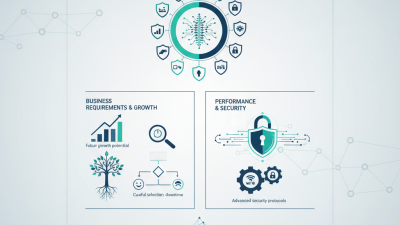
The functionality of Enterprise Routers goes beyond simple data forwarding. They include advanced features such as traffic management and security protocols. With these capabilities, they ensure that sensitive information remains protected while optimizing network performance. Decision-makers must understand these functions to implement effective networking strategies.
While many organizations utilize Enterprise Routers, challenges remain. Not every business is equipped to manage their complexity. There can be a steep learning curve associated with their installation and maintenance. Organizations may struggle to find skilled personnel who can maximize their potential. A careful analysis of needs and resources is essential for achieving the best results with Enterprise Routers.

What is an Enterprise Router?
An enterprise router is a crucial component in large-scale networks. It connects multiple networks and manages data traffic between them. These routers are designed to handle high volumes of data while ensuring security and reliability. They often include features like Quality of Service (QoS) to prioritize data streams, which is essential for businesses with critical applications.
In addition to routing data, enterprise routers offer advanced functionalities. They can implement Virtual Private Networks (VPNs) and firewall protection, creating secure communication channels. This is vital for protecting sensitive information from external threats. However, configuring these features can be complex and requires careful planning. Often, organizations may face challenges in optimizing their router settings to meet specific needs.
While enterprise routers provide significant benefits, they are not without flaws. Misconfigurations can lead to network downtime. This often necessitates a reassessment of network architecture and ongoing training for IT staff. Continuous monitoring and updates are essential to maintain performance and security standards. Understanding the nuances of enterprise routers is key to leveraging their full potential in modern business environments.
Enterprise Router Performance Comparison
Key Features of Enterprise Routers
Enterprise routers are crucial for managing data traffic in large networks. These devices are engineered to handle vast amounts of data efficiently. They offer advanced capabilities that enhance connectivity and network performance. One main feature is routing protocols. These protocols help determine the best paths for data. Efficient routing reduces latency and improves user experience.
Another key feature is security. Enterprise routers often include firewalls and intrusion detection systems. These tools protect sensitive data from external threats. Enhanced security measures are vital for businesses that handle personal information. Quality of service (QoS) is also significant. QoS prioritizes critical network traffic, ensuring essential applications run smoothly.
Scalability is a critical aspect of enterprise routers. Businesses grow and change, and their network needs evolve. A robust router can adapt to increased demands without a hitch. The complexity of managing these routers can be daunting. Regular updates and monitoring are often necessary. This adds layers of responsibility for IT teams, highlighting the ongoing need for skilled personnel.
How Enterprise Routers Handle Network Traffic
Enterprise routers play a crucial role in handling network traffic. They effectively direct data between multiple networks. By analyzing incoming and outgoing packets, these routers optimize bandwidth and ensure efficient data flow. Packet routing is determined based on various protocols, ensuring that data reaches its destination swiftly.
Traffic management involves prioritizing certain types of data. For instance, video conferencing may receive higher priority than regular emails. This helps in maintaining quality during high usage periods. As router configurations can be complex, misconfigurations can lead to traffic bottlenecks. Network administrators must carefully adjust settings to prevent these issues.
Monitoring traffic patterns is essential for effective router performance. It allows for adjustments based on real-time data usage. Without proper monitoring, significant challenges may arise, such as unexpected downtimes. Regular assessments of router settings can lead to improved reliability. However, achieving this consistency requires ongoing attention and expertise.
Benefits of Using Enterprise Routers in Business Environments
Enterprise routers play a crucial role in modern business environments. They manage network traffic efficiently, ensuring reliable communication within and outside an organization. These routers route data packets between multiple networks and handle large volumes of data. With high-performance capabilities, they enable seamless connectivity across various departments.
One significant benefit of using enterprise routers is their enhanced security features. They often come equipped with firewalls and VPNs, protecting sensitive information. This is vital for businesses that prioritize data privacy. Implementing an enterprise router can reduce the risk of cyber threats, such as unauthorized access.
Tips: Understand your specific needs before investing in a router. A suitable model depends on the size and network demands of your organization. Regularly update your router’s firmware. This practice helps fix vulnerabilities and improves performance over time.
Moreover, enterprise routers support advanced functionalities. They accommodate voice over IP (VoIP), video conferencing, and cloud applications. These features streamline communication and collaboration within teams. However, the complexity of these routers can sometimes lead to misconfiguration. Invest time in training staff on efficient usage to mitigate potential issues.
Common Use Cases for Enterprise Routers in Organizations
Enterprise routers play a vital role in modern organizations by managing data traffic across networks. These devices help connect different networks, enabling efficient communication and data exchange. Common use cases for enterprise routers include managing internet connectivity, optimizing network performance, and enhancing security.
A significant application involves branch office connectivity. According to a report by Cisco, around 60% of organizations leverage routers for interconnecting branch offices to the headquarters. This improves operational efficiency and ensures real-time access to resources. Additionally, enterprise routers often incorporate advanced security features to protect sensitive data. The integration of firewalls and VPN capabilities helps safeguard the organization from cyber threats.
Tip: Regularly update router firmware to protect against vulnerabilities.
Another use case is traffic management. Many organizations utilize enterprise routers to prioritize critical applications. This prevents network congestion during peak hours. Data from a 2022 survey by Gartner indicates that 45% of IT leaders consider traffic management a key function of their routers. Network performance can be inconsistent; therefore, monitoring tools can provide insights for better management.
Tip: Monitor network performance regularly to identify potential bottlenecks.
In conclusion, enterprise routers serve multiple functions, supporting growth and securing information. Exploring these functionalities can greatly enhance an organization’s networking capability.