What is a Fiber Router New and How Does it Benefit You?
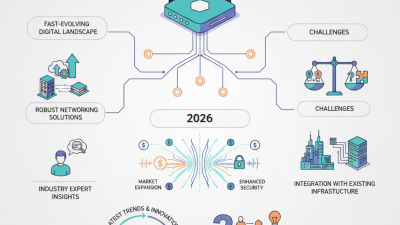
In an era where digital connectivity is paramount, the emergence of the "Fiber Router New" signifies a pivotal advancement in internet technology. According to recent reports from the Fiber Broadband Association, over 70% of households are now seeking higher bandwidth solutions. Fiber routers play a critical role in achieving this aim. They offer blazing fast internet speeds, often exceeding 1 Gbps, which is essential for activities like streaming, gaming, and remote work.
However, while the benefits are evident, challenges remain. Many users may struggle with installation and optimization of the Fiber Router New. Connectivity issues can arise, impacting performance. Furthermore, not every area has access to fiber services. This means that potential users need to consider their local infrastructure. As more providers invest in fiber networks, availability and reliability are expected to improve.
Ultimately, understanding the Fiber Router New is essential. Its benefits are substantial, but users must also navigate the complexities involved. With the right knowledge, they can harness the full potential of fiber technology.

What is a Fiber Router?
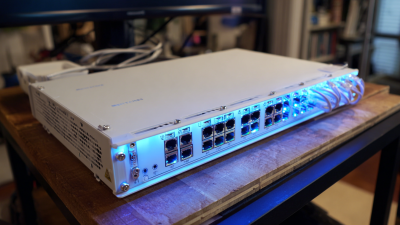
A fiber router is a specialized device designed to manage fiber optic internet connections. Unlike traditional routers, fiber routers use light signals to transmit data, resulting in faster internet speeds and improved performance. This technology significantly enhances streaming, gaming, and large file downloads. Users often experience lower latency and higher bandwidth.
Installation of a fiber router is typically straightforward. Many homes can upgrade their internet service to fiber and replace outdated hardware easily. The sleek design of a fiber router often blends well with modern home aesthetics. However, some may find the initial setup a bit complex. It's essential to follow the instructions carefully to avoid issues.
When considering a fiber router, think about your internet usage patterns. If your household has multiple devices connected at once, fiber technology can provide the necessary speeds. On the downside, it may not be available in all areas yet. Research and consider your local options before making a transition. The benefits are clear, but access remains a crucial factor.
Key Features of Fiber Routers
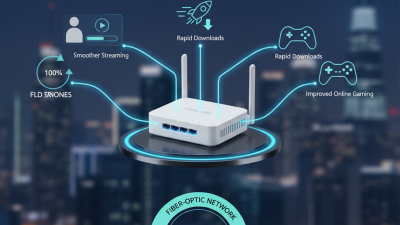
Fiber routers are transforming how we connect to the internet. They offer several key features that enhance user experience and connectivity. One prominent feature is speed. According to industry reports, fiber connections can deliver speeds up to 1 Gbps, far outpacing traditional DSL and cable services. This speed facilitates seamless streaming, online gaming, and quick downloads.
Another essential trait of fiber routers is their reliability. Fiber optics are less susceptible to interference from electronic devices or weather conditions. Research indicates that fiber connections maintain consistent performance compared to alternatives. Users report reduced latency, making them ideal for video conferencing and real-time applications. These advantages underscore the growing preference for fiber technology in both residential and business environments.
However, fiber routers come with challenges. Installation can be more complex and time-consuming, often requiring professional assistance. Additionally, not all areas have fiber infrastructure available. This limitation can hinder widespread adoption. Despite these hurdles, the benefits of fiber routers remain significant, making them a worthy consideration for future connectivity needs.
How Fiber Routers Enhance Internet Speed and Reliability
Fiber routers are revolutionizing home internet connectivity. They use advanced fiber-optic technology, delivering ultra-fast data speeds. With these routers, you can experience seamless streaming, gaming, and browsing. Unlike traditional routers, fiber routers minimize lag and buffering. This is especially beneficial for households with multiple devices.
The reliability of fiber routers is another major advantage. They maintain a stable connection even during peak usage times. This means fewer dropped connections and interruptions. The technology behind fiber optics allows for greater bandwidth. As a result, you can enjoy high-definition content without interruptions.
Implementing a fiber router could lead to reflections on your current internet setup. Are you often frustrated with slow speeds? Do you experience frequent disconnections? Upgrading to a fiber router may be the key to a smoother online experience. It’s essential to weigh the investment against the potential for improved performance. Consider how a reliable connection could enhance your daily life.
Comparing Fiber Routers to Traditional Routers
Fiber routers represent a significant advancement in internet technology. Unlike traditional routers, they use fiber-optic connections. This allows for much faster and more reliable internet speeds. Fiber routers can handle multiple devices without reducing performance. Users can stream videos, play online games, and work from home with minimal lag.
Traditional routers typically rely on copper cables. This limits their speed and can lead to connectivity issues. Fiber technology significantly reduces latency. Users experience fewer disruptions and consistent connections. However, installing fiber infrastructure can be costly and time-consuming. Many areas still lack fiber-optic access, limiting availability.
Fiber routers also tend to offer enhanced security features. Users benefit from better encryption methods. However, some users may find the setup process complex. Transitioning from a traditional router to a fiber router may require adjustments. This means users need to invest time in understanding their new technology. Overall, fiber routers hold great promise for better internet experiences, but challenges remain.
What is a Fiber Router New and How Does it Benefit You? - Comparing Fiber Routers to Traditional Routers
| Feature |
Fiber Router |
Traditional Router |
| Maximum Speed |
Up to 10 Gbps |
Up to 1 Gbps |
| Latency |
Low (less than 10 ms) |
Higher (up to 30 ms) |
| Reliability |
Highly reliable with minimal outages |
Subject to higher interference |
| Ideal for |
Streaming, gaming, remote work |
General browsing and light usage |
| Cost |
Generally higher installation fees |
Lower initial costs |
Setting Up and Optimizing Your Fiber Router
Setting up a fiber router can enhance your internet experience significantly. Begin by finding a central location in your home. This helps with even signal distribution. Fiber routers can handle multiple devices simultaneously. However, they need proper placement to maximize their potential. Avoid hiding the router behind furniture. Walls and large objects can interfere with the signal.
Configuring your fiber router is crucial for optimal performance. Access the router settings through a web browser. Change the default password to ensure security. Enable Quality of Service (QoS) settings if available. This allows you to prioritize bandwidth for essential tasks. Regularly check for firmware updates. These updates can fix bugs and improve performance.
Sometimes, users overlook the importance of network security. Without proper measures, your network could be vulnerable. Set up a guest network for visitors. This keeps your primary network safe from unauthorized access. Even small mistakes can lead to security issues. Take the time to reflect on your setup periodically. Adjust based on your needs and usage patterns for the best results.