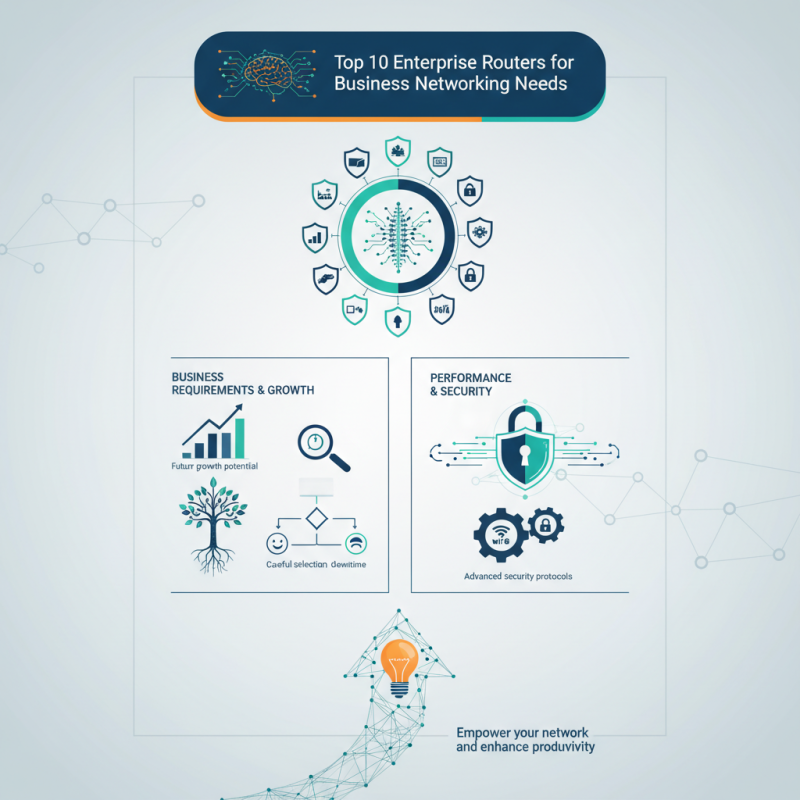
Top 10 Enterprise Routers for Business Networking Needs?
In today's business environment, maintaining a robust network is crucial. Enterprise routers play a key role in meeting these networking needs. As industry expert John Smith once noted, “The right enterprise router can be the backbone of a successful business.” This statement underscores the importance of choosing the right equipment.
Selecting an enterprise router is not a trivial task. It requires understanding your business requirements and future growth potential. Not all routers will suit every organization. Some may lack the necessary features or performance for larger networks. Many businesses have faced downtime due to inadequate routers, highlighting the need for careful selection.
When navigating the options, consider both performance and security. Enterprise routers provide features like advanced security protocols and high-speed connectivity. However, businesses often overlook these details, leading to vulnerabilities. The right choice can empower your network and enhance productivity.
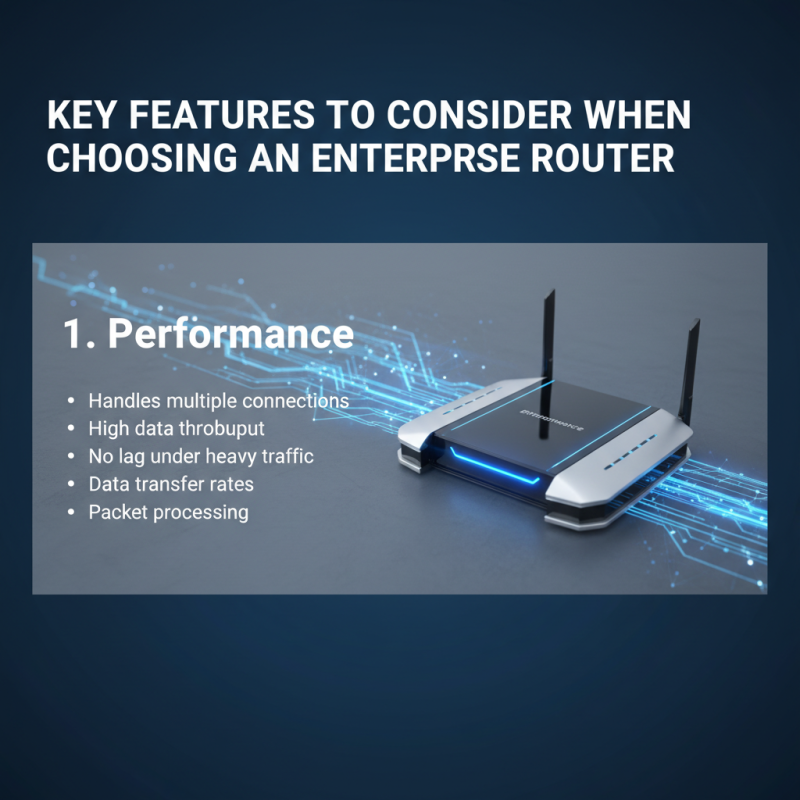
Overview of Enterprise Routers and Their Importance in Networking
Enterprise routers play a crucial role in business networking. They manage the flow of data between different network segments. This process is essential for maintaining connectivity in a modern workplace. Without an effective router, disruptions can occur. Slow internet speeds and security vulnerabilities may arise. These issues can impact productivity and business operations.
The importance of enterprise routers cannot be overstated. They support various functions, including firewall protection, VPN services, and traffic routing. These features help secure sensitive information and ensure smooth communication between teams. However, selecting the right router requires careful consideration. Businesses must assess their specific needs. Often, budget constraints limit options. Micromanagement of network performance can lead to frustration. Balancing cost and functionality is vital.
Many organizations overlook the need for regular updates and maintenance. This negligence can lessen network resilience and expose vulnerabilities. Keeping firmware up to date is crucial for security. Understanding the complexities of network design is another challenge. There must be a balance between a user-friendly interface and powerful features. The evolving landscape of technology means that what works today might not be sufficient tomorrow.
Top Contenders: Comparing the Leading Enterprise Routers
When it comes to enterprise routers, the market is filled with options. Each router offers unique features tailored for diverse business networking needs. High throughput is essential for large teams. However, not every model meets this requirement effectively. Some may struggle with heavy traffic, leading to bottlenecks.
Security is another crucial factor. Many routers come equipped with advanced firewall settings and encryption options. Yet, some fail to provide constant updates. Outdated security can leave networks vulnerable. Businesses must be vigilant. A router that looks great on paper may not deliver real-world performance.
Scalability is also important. Companies often grow, requiring more robust infrastructure. Not all routers can easily expand as business demands increase. Some models might even require a complete overhaul when upgrading. This inconsistency can lead to unforeseen expenses and technical headaches. Assessing long-term needs is vital. Overall, while options abound, careful consideration is necessary.
Use Cases: Best Routers for Different Business Networking Scenarios
When selecting the best routers for various business networking scenarios, it’s crucial to consider specific use cases. For small offices with limited users, routers that support basic features might suffice. These devices can handle internet connectivity and simple file sharing. However, as the business grows, more robust solutions become essential.
For larger enterprises, routers with advanced security features are a necessity. These may include firewalls and VPN support to protect sensitive data. Performance is key here. Latency and bandwidth should be prioritized to maintain smooth operations. A router that falters under pressure can lead to frustrating downtime. Build quality and reliability also matter.
Businesses in the retail sector face unique challenges. They require routers that can manage high traffic volumes, especially during peak shopping seasons. Solutions that ensure consistent connectivity can enhance customer experience. Yet, companies often overlook the importance of regular updates and maintenance. Outdated firmware can compromise security. It's vital to remain vigilant and proactive.
Future Trends in Enterprise Routing Technology and Innovations
The future of enterprise routing technology is evolving rapidly. Innovations are driven by the need for faster, more reliable networks. According to a recent industry report, 81% of businesses anticipate substantial investments in network architecture by 2025. This indicates a growing emphasis on scalable and agile systems that can adapt to changing needs.
One emerging trend is the integration of AI in routing. AI-powered routers can analyze data usage and traffic in real-time. This enables smarter routing decisions that optimize network performance. In fact, companies using AI in their networks are expected to experience a 30% reduction in latency. However, this approach requires careful consideration. The complexity of AI may lead to unforeseen challenges.
TIP: Consider your organization’s specific needs before implementing AI solutions. Assess the potential ROI and your team’s capability to manage the technology.
Another trend is the move towards software-defined networking (SDN). SDN offers greater control and flexibility. Businesses can allocate bandwidth dynamically based on demand. However, many companies are still uncertain about transitioning to SDN. This hesitation may stem from a lack of understanding or fear of compatibility issues.
TIP: Take small steps when exploring SDN. Pilot projects can provide insights without overwhelming your existing infrastructure.