Top 10 Server GPU Cards for High Performance Computing Needs?
In today's competitive tech landscape, choosing the right Server GPU Cards is essential for high-performance computing. These cards are at the heart of advanced tasks like AI, data analytics, and rendering. Their powerful capabilities can significantly enhance processing speeds. However, not all GPU cards are created equal.
Many factors influence the selection of Server GPU Cards. Different workloads require specific functionalities. Some cards excel in machine learning, while others are tailored for gaming or graphics rendering. Performance metrics can be overwhelming, creating confusion for buyers. This often leads to regrets and second thoughts after purchase.
A careful evaluation of the top contenders in the market can guide this decision. Identifying the best Server GPU Cards can help prevent costly mistakes. Diligent research into performance, cost, and suitability for your specific needs is crucial. Balancing these aspects may sometimes feel like a puzzle, but the right choice can elevate your computing experience significantly.
Overview of High-Performance Computing and Its GPU Requirements
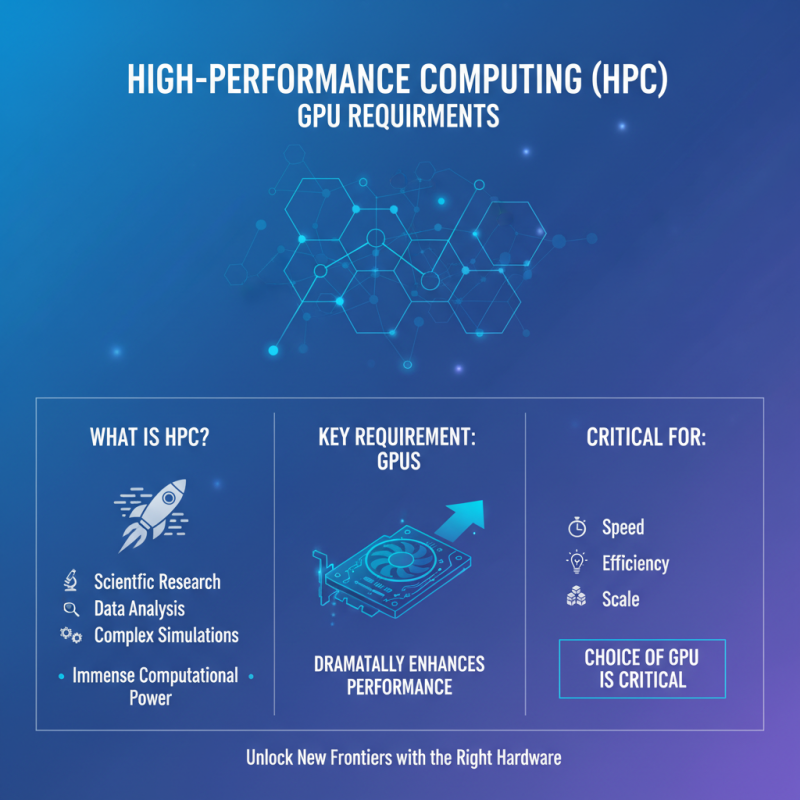
High-performance computing (HPC) has become essential in various fields. It supports scientific research, data analysis, and complex simulations. These tasks require immense computational power. Therefore, the choice of GPU is critical. A suitable GPU can enhance performance dramatically.
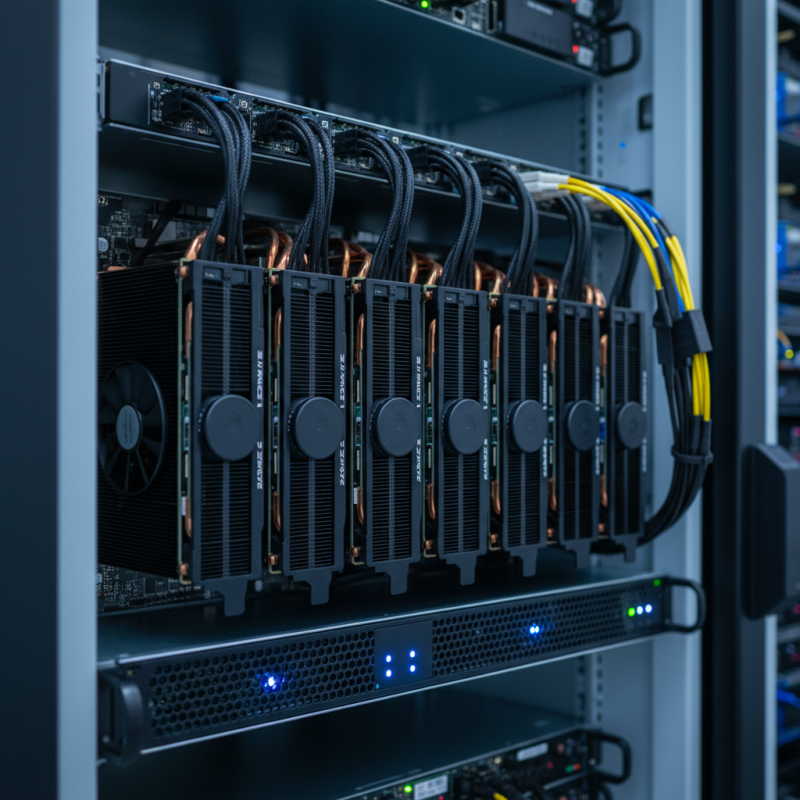
GPUs designed for HPC needs come with specific features. They typically have high memory bandwidth and parallel processing capabilities. These characteristics allow them to handle multiple tasks efficiently. However, selecting the best GPU isn't always straightforward. Users must consider factors like compatibility and workload types. Some GPUs excel in deep learning, while others suit graphical rendering better.
While many options exist, there are no perfect solutions. The performance difference can be substantial. Sometimes, the most expensive option may not fit particular needs. It's essential to evaluate individual requirements carefully. User reviews and benchmarks are helpful, but they do not tell the whole story. Therefore, experimentation and adjustments may lead to better results. Performance optimization often requires regular reflections on the existing setup.
Criteria for Selecting the Best Server GPU Cards for HPC
When choosing server GPU cards for high performance computing (HPC), it’s crucial to consider several factors. Memory capacity is essential. A higher memory allows larger datasets to be processed efficiently. Look for GPUs that support advanced memory technologies. This will enhance performance in data-heavy applications.
Another important criterion is processing power. The number of cores can greatly impact computation speed. More cores typically mean faster task execution. Pay attention to the architecture. Advanced architectures offer better power efficiency and performance scalability. Some GPUs excel in specific tasks, like deep learning or simulations. Specialized models might be necessary depending on your needs.
Cooling solutions also play a vital role. GPUs generate heat during operation. Effective cooling systems prevent overheating and maintain performance. The system's compatibility with existing hardware is equally important. Mismatches can lead to bottlenecks and inefficiencies. Reflect on power supply requirements and overall system balance to avoid issues.
Top 10 Server GPU Cards Currently Leading the High-Performance Market
In today’s competitive landscape, selecting the right server GPU card is crucial for high-performance computing. Many professionals seek optimized performance for tasks like AI, deep learning, and data analytics. The market is vibrant, featuring a mix of cutting-edge technology and evolving demands.
The top contenders often include GPUs that excel in parallel processing. These powerful units are designed to handle complex computations efficiently. Look for options that offer ample memory and support the latest frameworks. However, challenges exist. Not all GPUs can seamlessly integrate with existing infrastructures. Compatibility may be an issue for some users.
Research and testing are vital to ensure the selected GPU meets specific needs. Power consumption is another consideration. High-performance GPUs can draw significant power, impacting operational costs. Users must balance performance with efficiency.
Reliability can vary across manufacturers. Some GPUs may not deliver the expected longevity, leading to unexpected downtime. Thus, individuals should diligently evaluate performance benchmarks and reliability reports. Achieving a seamless setup may require adjustments and thorough analysis, a process that merits careful attention.
Comparison of Performance Metrics for Each GPU Card
In the realm of high-performance computing, the choice of a GPU can significantly affect efficiency. When comparing different server GPU cards, several performance metrics should be evaluated. Key metrics include processing power, memory bandwidth, and thermal efficiency. Each GPU has its unique strengths and weaknesses that can influence performance in specific tasks.
Some cards excel in parallel processing but may struggle with heat management. Others might provide superior memory, which helps in handling larger datasets. For instance, a higher memory bandwidth can lead to faster data transfer rates, improving overall processing speed. However, many overlook the power consumption factor. High-performance GPUs demand significant energy, potentially leading to skyrocketing costs.
In practice, performance metrics can be inconsistent across different workloads. A card that shines in deep learning may not perform well in simulations. Users often face the challenge of selecting the best option for their specific needs. Balancing between performance and cost while considering long-term efficiency becomes crucial. Many users reflect on their experiences and realize that thorough benchmarking before purchase pays off in the long run.
Top 10 Server GPU Cards for High Performance Computing Needs
Future Trends in Server GPUs for High-Performance Computing
The landscape of server GPUs for high-performance computing (HPC) is evolving rapidly. With demands for processing power increasing, organizations are seeking efficient GPU solutions. Experts forecast that the market for server GPUs will grow from $10 billion in 2022 to over $30 billion by 2028. That’s a significant leap. Yet, many systems still lag in optimization.
Graphical processing units are now pivotal in data centers. They enhance machine learning, simulations, and complex computations. However, challenges exist. Integration into existing infrastructures often proves difficult. Moreover, energy consumption remains a major concern. Reports show GPUs can consume over 300 watts under heavy loads. Striking a balance between performance and efficiency is crucial.
As workloads intensify, new technologies emerge. AI-driven optimization techniques are making waves. They promise better resource allocation and performance tuning. But, is this enough? Companies must continue to invest in research and development. Heavy reliance on outdated systems can hinder progress. Overall, while trends are promising, there's much to contemplate. How will organizations adapt? The future is uncertain, but the potential is vast.