10 Essential Tips for Configuring Juniper Routers for Optimal Performance?
In the world of networking, optimizing performance is crucial. Juniper Routers play a vital role in this landscape. Industry expert, Dr. Michael Everett, emphasizes, "The right configuration can make or break your network efficiency." This statement underlines the importance of proper setup.
Effective configuration of Juniper Routers involves numerous factors. Network traffic management, security features, and interface settings are just a few areas worthy of attention. Each aspect contributes significantly to overall network performance. However, many administrators overlook vital steps, leading to inefficiencies.
Understanding the nuances of these routers requires experience and knowledge. Mistakes can occur, and not every configuration will yield immediate results. Reflection is necessary after adjusting settings. Continuous learning from each setup is essential for mastering Juniper Routers. This journey demands patience and diligence, but the rewards of optimal performance are worth the effort.

Understanding the Basics of Juniper Router Configuration
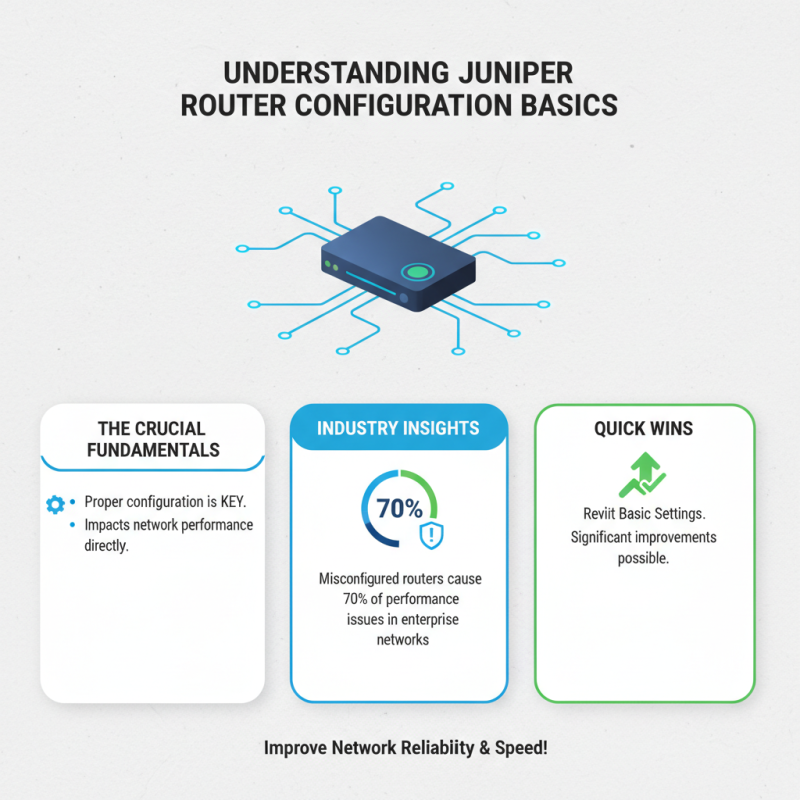
When configuring Juniper routers, understanding the fundamentals is crucial. Network performance hinges on proper configurations. According to industry reports, misconfigured routers contribute to 70% of performance issues in enterprise networks. Revisiting basic settings can yield significant improvements.
Pay attention to your network architecture. Start with the IP addressing schema. A well-planned address allocation minimizes conflicts. Documentation is vital. Studies show that 40% of network outages stem from inadequate documentation. Regularly updating this information can save time and resources.
Security is another key aspect. While it’s tempting to overlook basic protocols, vulnerability assessments highlight the importance of strong security measures. Neglecting simple practices can expose your network to risks. Ensure to implement access controls and regular updates. Each configuration is a chance to enhance performance. Never underestimate the impact of small changes.
Key Metrics to Monitor for Optimal Router Performance
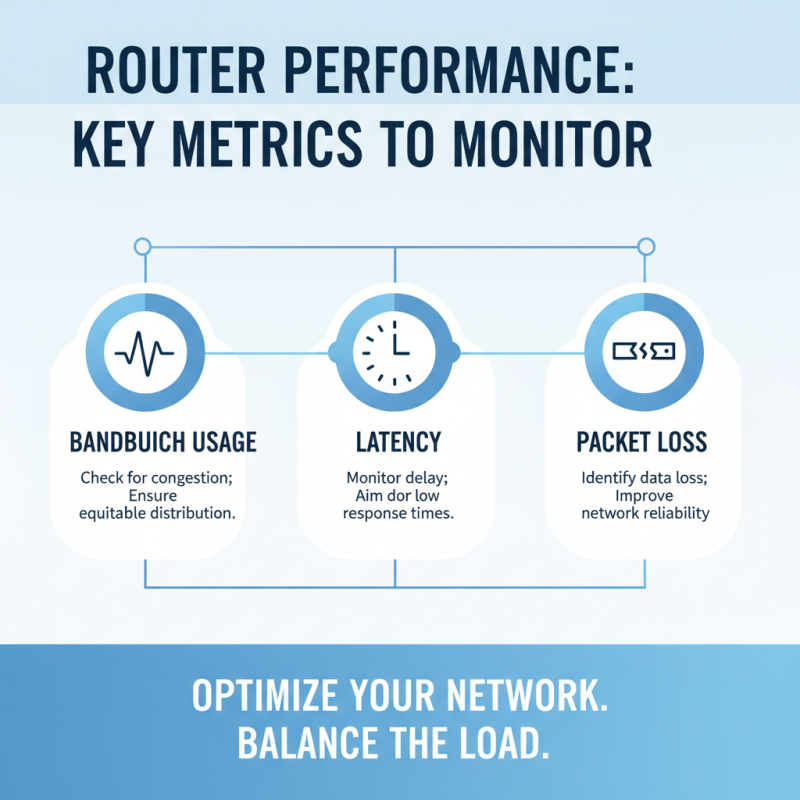
Monitoring key metrics is crucial for optimizing router performance. Focus on bandwidth usage, latency, and packet loss. High bandwidth usage may indicate congestion, leading to slower performance. Regularly check usage statistics to ensure equitable distribution among users. Aim for a balanced network load.
Latency is another vital metric. It measures the delay in data transmission. High latency can disrupt real-time applications like video calls or gaming. Evaluate the round-trip time of packets to gauge this metric. Address any network latency issues promptly to maintain user satisfaction.
Packet loss can severely affect the quality of service. This occurs when data packets fail to reach their destination. Identify the sources of packet loss early to implement fixes. It may require adjustments to configurations, or even hardware upgrades, to enhance reliability. Constantly reflecting on these metrics is essential for continuous improvement in router performance.
Configuring Interface Settings for Maximum Efficiency
Configuring interface settings on Juniper routers can significantly enhance performance. Properly adjusting these settings allows for efficient data flow and reduced latency. Data from recent industry reports indicates that well-configured networks can experience up to a 30% improvement in throughput. This highlights the importance of a thoughtful approach in configuration.
Consider using jumbo frames. These larger packets can reduce CPU load and improve bandwidth utilization. However, always test their impact. Not all environments support them seamlessly. Adjusting the MTU size to accommodate these frames may lead to inconsistencies. Monitoring performance post-implementation is crucial.
Another tip involves setting the appropriate speed and duplex settings. Mismatched configurations often lead to connectivity issues and degraded performance. Regular audits of interface settings can help identify potential pitfalls. A proactive review of these settings aligns with best practices outlined in the latest network performance guidelines. Always gather data to track improvements and setbacks. Adjusting interface settings can lead to dramatic changes, but it requires diligence and continuous assessment.
Implementing Robust Security Practices in Router Setup
When setting up routers, security should be a priority. Many overlook basic security practices, leading to vulnerabilities. Implement strong passwords to secure router access. Weak passwords are an invitation to intruders. Change default logins immediately. This small step can prevent many unauthorized access attempts.
Next, consider network segmentation. By separating your internal networks, you minimize exposure. For example, keep guest networks separate from your main systems. This isolation limits potential damage. Regularly update router firmware to tackle security holes. Outdated firmware can be a treasure trove for attackers. Schedule reminders for these updates.
Monitoring router logs offers valuable insights. Analyze traffic patterns to identify anomalies. Sometimes, traffic spikes can indicate potential threats. Moreover, implement firewall rules for added protection. Simply relying on built-in security features is often insufficient. Remember, security is an ongoing process that requires constant reflection and adjustment. Your network's safety hinges on proactive measures and consistent vigilance.
Tuning Routing Protocols for Improved Network Performance
Tuning routing protocols is crucial for enhancing network performance. According to a recent report by Network World, optimizing routing protocols can lead to a 20% increase in throughput. Properly configured, Juniper routers can significantly improve data flow efficiency and reduce latency. This is essential in today’s fast-paced digital landscape.
One key tip is to ensure proper metric configuration. Metrics directly influence route selection. Incorrect metrics can lead to suboptimal paths, increasing delays. Additionally, consider redistributing routes appropriately to balance network traffic. This can protect against congestion and enhance reliability.
Another important aspect is to monitor your network regularly. Data from industry studies suggests that 75% of network issues stem from misconfigured protocols. Frequent checks can identify bottlenecks or anomalies. Knowing your network's behavior allows for timely adjustments. Embrace proactive monitoring to ensure optimal performance.
10 Essential Tips for Configuring Juniper Routers for Optimal Performance